
September in Montecarlo has a sound of its own: shears snapping between the rows, crates stacking up on the trailers, the back-and-forth between vineyard and winery that runs from dawn until dark. If you want a way into Tuscan wine country that isn’t just watching from the outside, this is the moment.
2026 was a textbook case: here’s what you’ll see if you visit right now, and how to arrange a winery visit during the harvest itself.
The grape harvest in Montecarlo, near Lucca, runs roughly from late August to mid-October: white grapes for Montecarlo DOC wine first, then the Sangiovese-based reds. There’s no fixed date, it depends on the vintage, but across the area the picking is still done by hand, variety by variety, on the same hillsides you can see from the town walls.
There’s no fixed calendar date: the harvest begins when the grapes are ready, and ripening depends on temperature, rainfall and the season’s course more than on the calendar. In a typical Lucca-area vintage, though, the sequence is fairly stable: early white varieties come in between late August and the first days of September, the rest of the white follows in the second half of the month, and the season closes between late September and mid-October with the later-ripening red grapes, based on Sangiovese.
The 2026 vintage was a textbook example of how much that date can shift. Record summer heat pushed ripening forward across much of Tuscany, Montecarlo included: Gino “Fuso” Carmignani, president of the Consorzio Vini di Montecarlo, confirmed an early start to picking because of “weeks of record heat” (NoiTV, August 2026). The effect cut both ways: healthy, good-quality grapes, but lower yields than usual, with red wines facing more of a squeeze than whites. Across the wider Lucca area, the 2026 harvest was nearly finished by mid-September, with growers giving much the same verdict: “yields a bit low, but quality very high” (SerchioInDiretta).
For anyone planning a trip: if you want to be sure of catching the vineyards in full swing, the first half of September is the safest window, all the more so in a hot vintage like this one. Visitors arriving in October will almost always still find red grapes on the vine, but it’s worth checking directly with the winery you plan to visit — every estate picks on its own slightly different timeline, depending on row orientation and winemaking choices.
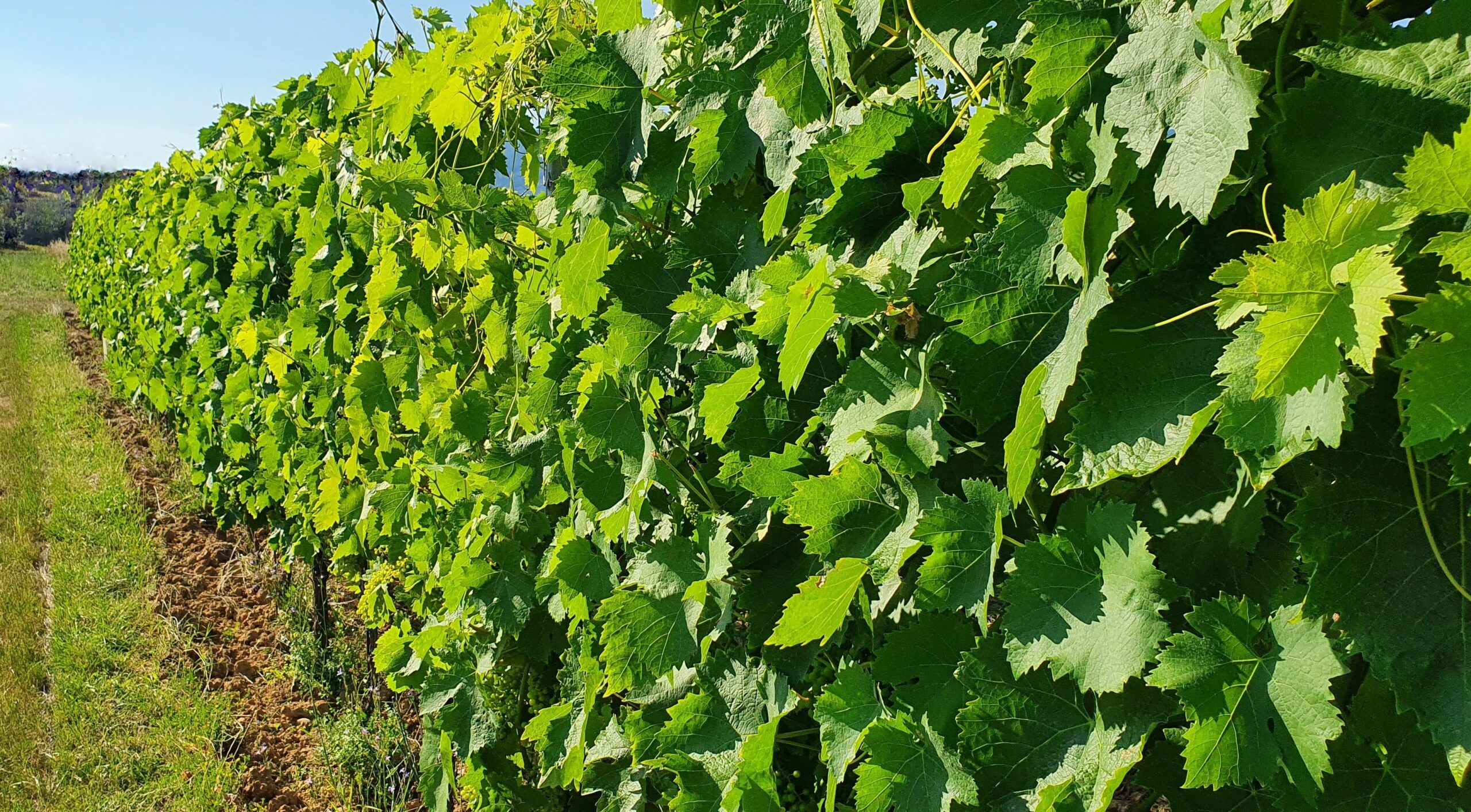
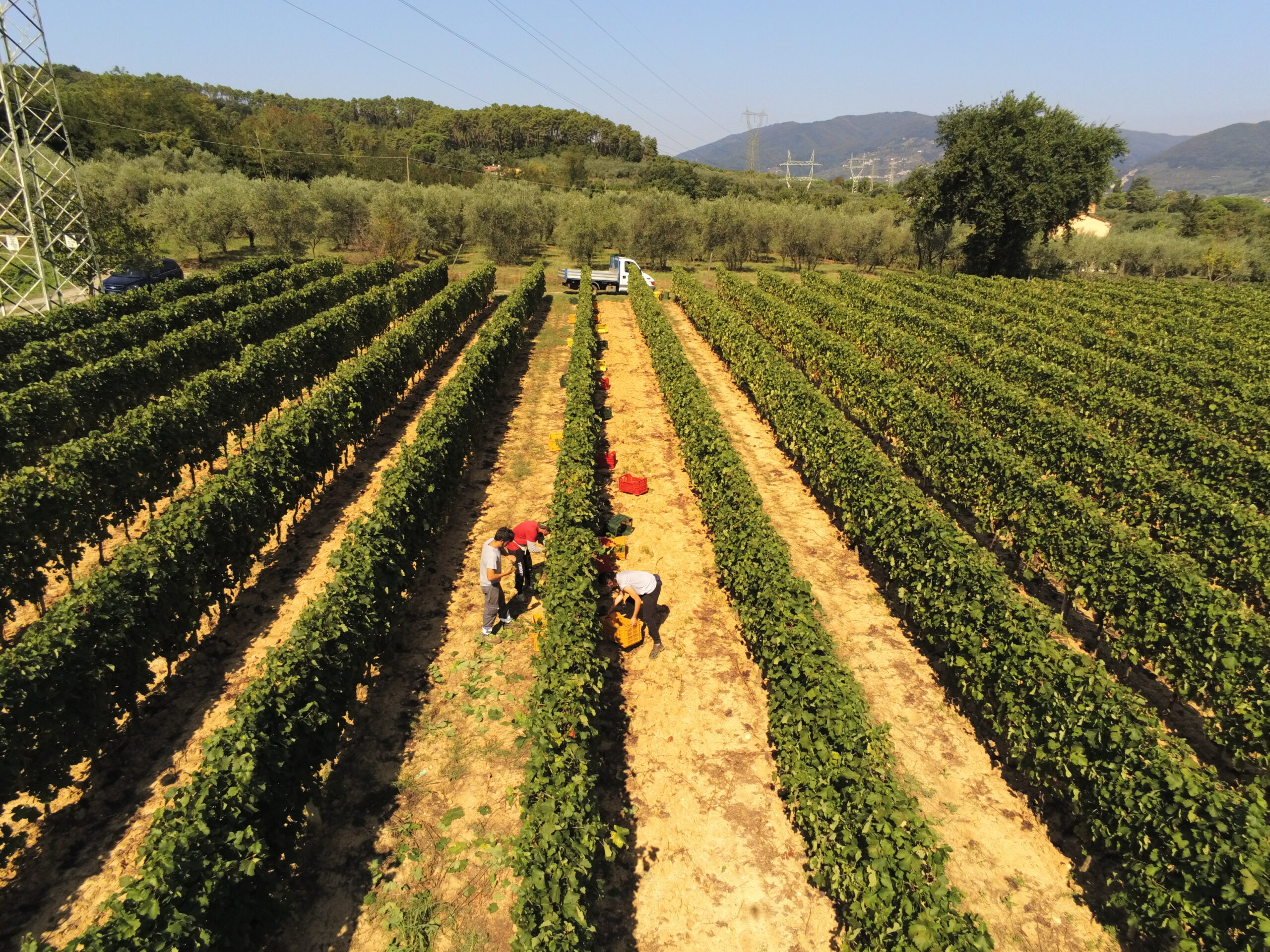
In Montecarlo, the harvest is still done by hand, as it always has been across the Montecarlo DOC hills: the rows are often too narrow or the slopes too steep for mechanical pickers, and hand-picking remains the choice for anyone working small, quality-focused lots. Anyone walking the Wine Road in these weeks sees a clear rhythm: teams moving down the rows with shears, perforated crates filling up and stacking onto trailers, a tractor making repeated runs to the winery through the day. The grapes reach the winery within a few hours of picking, to keep the heat from damaging them before pressing — the same logic, as it happens, that applies to pressing the olives in November.
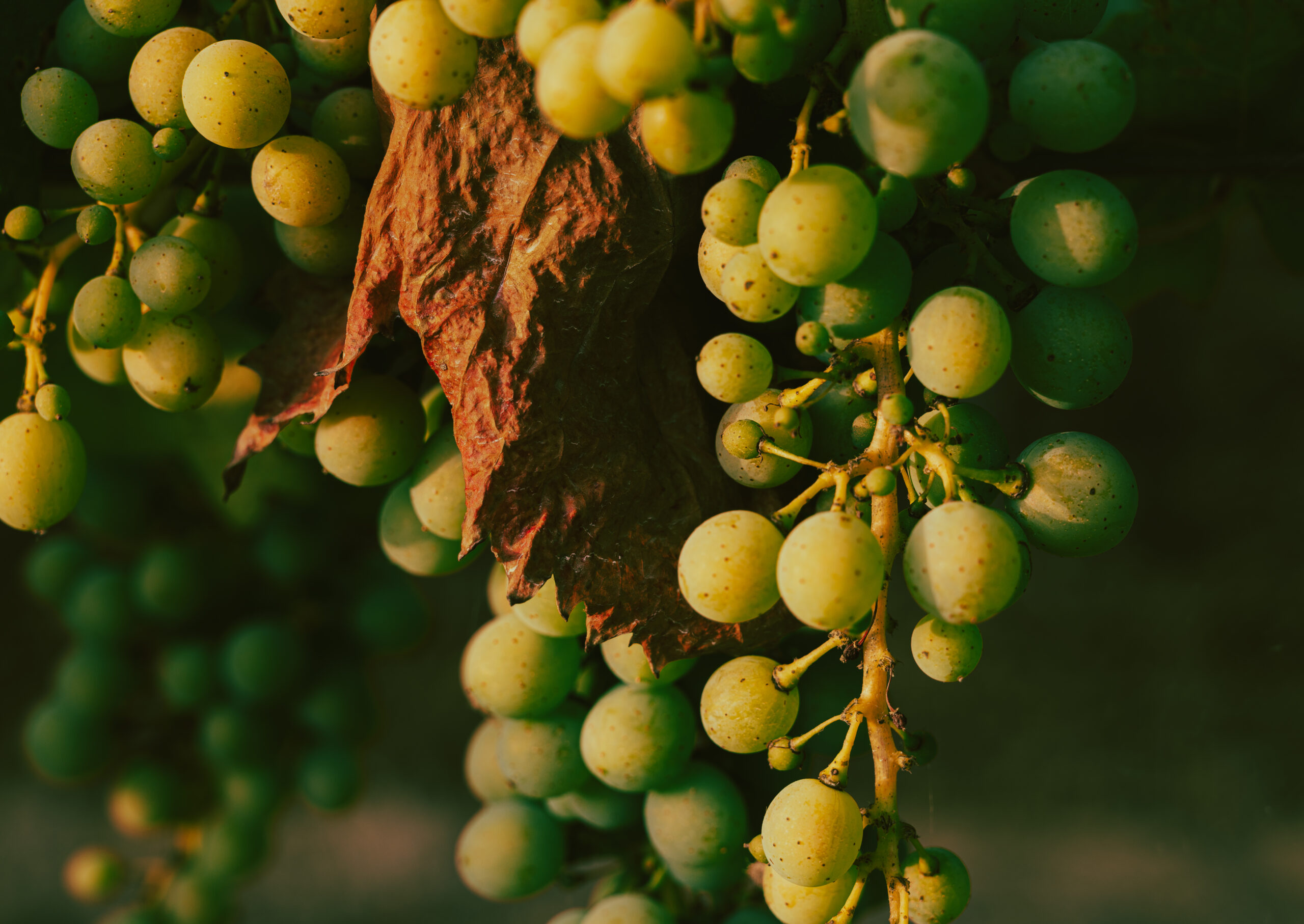
The varieties don’t all come in together. Trebbiano Toscano, the base of Montecarlo Bianco alongside Semillon, Sauvignon, Roussanne, Pinot Gris and Pinot Blanc, and Vermentino, is generally picked first; Sangiovese, the backbone of Montecarlo Rosso alongside Canaiolo and small additions of Ciliegiolo, Colorino, Syrah, Merlot and Cabernet, ripens later and closes out the season. It’s the same “mixed” blend, part Tuscan and part international, that sets Montecarlo DOC apart from its better-known neighbors — we cover it in more detail in our guide to what to see in Montecarlo.
You don’t need to work the rows to enjoy this time of year — you just need to pick the right moment to visit. The wineries of the area, gathered under the Consorzio del Vino di Montecarlo — around twenty producers farming roughly 200 hectares of vineyard — stay open for tastings even during picking, and this is actually when a winery feels most alive: you can smell the must, cross paths with crews coming back from the vineyard, and sometimes watch the first white grapes going to press.
What to expect from a visit during this period, in practice:
Our advice, from people who live here year-round: book a few days ahead, since wineries are balancing fieldwork with visits during harvest, and September weekends fill up fastest. With us, you can book a Montecarlo DOC wine and PDO olive oil tasting during this exact window, paired with a stay at a farm stay among the vines a few minutes’ walk from the town — full details on staying with us are on our Montecarlo farm stay page.
Once it reaches the winery, white grape juice ferments relatively quickly: the first Montecarlo Bianco of the new vintage can be tasted by late autumn or the following spring. The reds take longer, with some labels aging beyond a year. Visitors who return to Montecarlo later can, in a sense, follow the same harvest they watched in the vineyard all the way to the glass.
Once the grapes are in, the baton passes to the olives: in November, the Frantoio, Leccino and Moraiolo cultivars behind Lucca PDO extra virgin olive oil are picked and pressed within a few hours, to preserve the area’s characteristic grassy, peppery profile. Visitors coming to Montecarlo in autumn can choose to time their trip around the grape harvest (September–early October) or the new olive oil (November) — or, with the right timing, catch the tail end of one and the start of the other. You’ll find all our wines and oils, including ready-to-take-home vintages, on our Montecarlo wine and olive oil page.
The grape harvest is when Montecarlo shows what it really is: a wine-growing area first, a postcard town second. Come between late August and mid-October, check the timing with the winery you plan to visit — hot vintages like 2026 can move everything forward by a couple of weeks — and plan on a tasting while the crews are still out in the rows: it’s the most direct way to understand where a glass of Montecarlo DOC actually comes from.
To plan your visit, take a look at our wine and olive oil tasting and our farm stay among the vineyards: write to us and we’ll help fit the harvest, a tasting and a visit to the town into your dates. Find more stories from the area in our Stories from Montecarlo section.
Vuoi rivivere l’emozione delle colline di Montecarlo?
Trova nel nostro shop i sapori autentici della tradizione contadina, pronti per essere spediti direttamente a casa tua.